
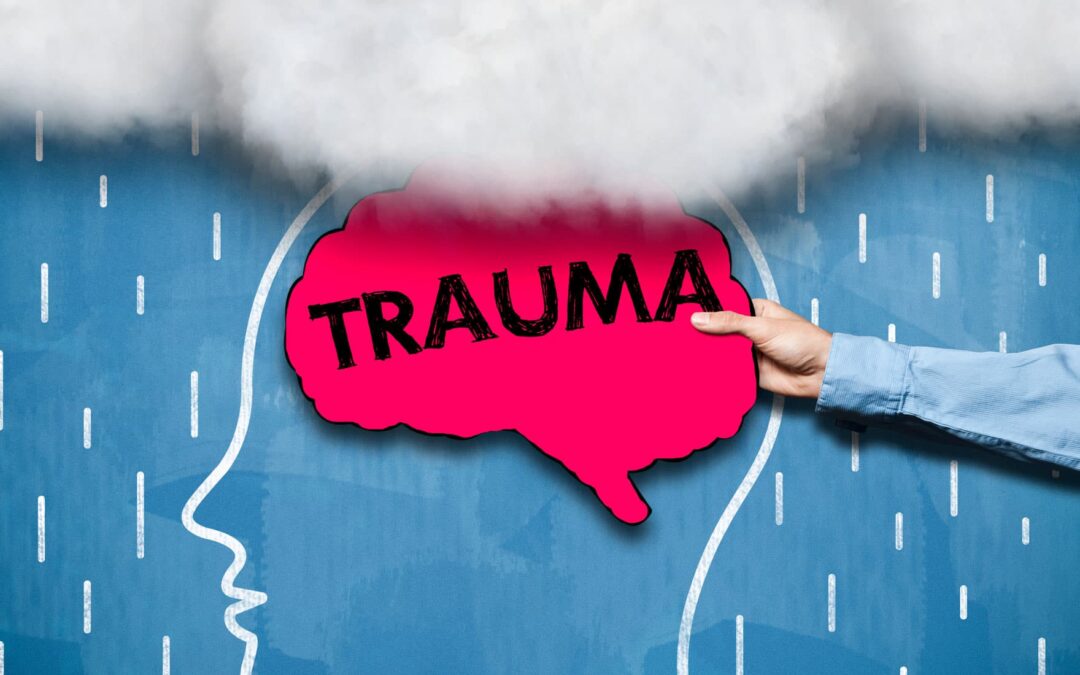
By Erich Schoeman | Clinical Psychologist
Trauma is something most of us will encounter in some form during our lifetime.
Not every day. Not constantly. But at some point in our lives, something happens that shakes us, something that unsettles our sense of safety, control or trust.
As both a clinical psychologist and a Christian, I have spent years trying to understand trauma from two perspectives: what psychology tells us about how the mind and body respond to overwhelming events, and what Scripture reveals about suffering in a fallen world.
This article is not primarily about treatment. It is about understanding. Because when we understand what is happening inside us, fear often decreases.
What Do We Mean by Trauma?
The word trauma comes from the Greek word meaning “wound”.
When we speak about emotional or psychological trauma, we are describing the impact of an event that overwhelms a person’s capacity to cope. It is an experience that shatters one’s sense of security and leaves the person feeling helpless, frightened or exposed in a world that suddenly feels dangerous.
Importantly, trauma is not defined only by the event itself. It is defined by the impact of the event on the individual.
Two people can experience the same incident, an accident, a robbery, a sudden loss, and respond very differently. One may recover relatively quickly. Another may struggle for a longer period. That does not mean one is weak and the other strong. It means human beings are complex.
Why Trauma Affects Us So Deeply
When a traumatic event occurs, the brain and body respond rapidly. The brain’s alarm system, particularly areas such as the amygdala, activates almost instantly. Stress hormones are released. The body prepares for fight, flight, freeze or even appease responses. Heart rate increases. Muscles tense. Attention narrows. This is not dysfunction. It is protection. In moments of threat, the brain prioritises survival over careful reasoning. Memory systems may not store the event in an orderly way. This is why people sometimes experience intrusive memories, flashbacks or fragmented recollections afterwards.
Your body is not betraying you. It is attempting to protect you. In most cases, as safety is re-established, the nervous system gradually calms. The memory becomes less emotionally charged. The person resumes normal functioning. This is resilience, and it is far more common than many realise.
Common Reactions After Trauma
It is important to normalise early reactions.
After a traumatic event, you may experience:
-Shock or disbelief
-Irritability or anger
-Heightened anxiety or fear
-Sleep disturbance
-Difficulty concentrating
-Feeling numb or emotionally detached
-Being easily startled
-Scanning your environment for danger
These responses can feel unsettling, especially for Christians who expect themselves to be calm or “faith-filled”. But these are normal reactions to abnormal circumstances. After a serious motor vehicle accident involving my own family, I noticed I was far more alert on the road. If a car approached from the side, my body reacted immediately. For a period of time, my nervous system was simply more vigilant. Over time, it settled. Most trauma reactions follow that pattern.
When Does Trauma Become a Disorder?
Not everyone who experiences trauma develops Post-Traumatic Stress Disorder. PTSD is diagnosed when symptoms persist for more than a month and significantly interfere with functioning in relationships, work, emotional stability or daily life.
The core features generally include:
-Intrusive memories or flashbacks.
-Avoidance of reminders of the event.
-Persistent negative changes in thinking or mood.
-Ongoing hyper-arousal such as irritability, exaggerated startle response or sleep disturbance.
The key distinction is not whether symptoms exist, but whether they are severe, persistent and impairing. Many people experience temporary symptoms without developing a disorder. This is important, because we must avoid both extremes. We must not minimise suffering, and we must not pathologise normal stress reactions.
The Role of Personal History
Trauma does not occur in isolation. A person’s temperament, prior stress load, previous trauma exposure, coping skills, social support and spiritual framework all influence how they respond. Childhood trauma, especially prolonged instability or abuse, can increase vulnerability later in life. But it does not determine destiny. From both a psychological and biblical perspective, past wounds influence us. They do not define us. Healing and growth remain possible.
A Christian Understanding of Trauma
Christians do not interpret trauma in a vacuum. We live within the larger biblical narrative of Creation, Fall, Redemption and Restoration. Trauma exists because we live in a fallen world where sin, evil, broken systems and human frailty are realities. Scripture never denies suffering. In fact, it speaks of it repeatedly and honestly. But the Christian response to trauma is not despair. Hebrews 4:15 to 16 reminds us that we have a High Priest who sympathises with our weaknesses. Christ Himself entered suffering. He understands injustice, betrayal, pain and physical trauma. This does not mean we will not feel fear or grief. It means we do not suffer alone. God does not stand distant from traumatic experiences. He draws near to the broken-hearted. His nearness does not always remove the pain immediately, but it does mean the pain is never meaningless. And while trauma may disrupt our sense of safety, it does not disrupt God’s sovereignty.
A Word of Hope
If you have experienced trauma, your reactions make sense. You are not spiritually deficient. You are not weak because your nervous system reacted. You are not beyond healing. Most people recover over time, especially with support and wise processing. And for the Christian, resilience is strengthened through relationship with God, through truth, prayer, community and sometimes professional care.
Understanding trauma is the first step.
In the next article, we will look at how to manage traumatic experiences practically, psychologically and spiritually. For now, remember this. A wound does not mean you are broken beyond repair. It means something impacted you. And healing, in God’s design, is possible.
“We value your testimony, thoughts, compliments and criticism. Would you consider sending us a message to help us to improve our ministry and bless others? If you want to partner with us in this work of developing, healing and empowering people, please prayerfully consider donating. Your contribution is tax deductible (Article 18A). Your prayers for us and our audience are also highly needed. Thank you!”